The short answer
A lower price is one way to attract weekday bookings, but a package designed for a shorter wedding gives couples another reason to choose you. Build offers for courthouse ceremonies, elopements, or intimate celebrations, then price them against their actual work, your margins, and demand for those dates.
Here's the math you're up against. In The Knot's latest Real Weddings Study, 76% of couples who married in 2025 did it between May and October. The Knot's own off-season guide puts winter at 7% of weddings, with December at about 1%.
That national pattern is useful context, but it does not tell you the size or budget of every off-season wedding. Look at your own inquiries. If couples keep asking for shorter coverage, a 10-hour package may be the wrong starting offer.
Before you discount the same package
A weekday rate can make sense when demand and the value of reserving that date differ. Before offering one, check three things.
Be clear about the offer. Different dates can legitimately carry different prices. If you use a weekday rate, explain its availability and conditions consistently. A shorter package should also say exactly what is included.
Match the wedding they are planning. A couple wanting a full-day Friday wedding may need your normal coverage. A couple booking a short courthouse ceremony may need a different package. Ask about their plans rather than inferring their budget from the day of the week.
Check the margin and capacity. Discounting unchanged coverage lowers revenue without necessarily reducing the work. It may still be worthwhile on an otherwise unbooked date, but account for the shoot, editing, travel, and recovery time before deciding.
A smaller package is another option: less coverage, fewer deliverables, and a price built around that work. Test whether it serves the inquiries you actually receive alongside any weekday pricing you choose to offer.
Four offers worth building
1. Elopements
Just the couple, maybe a few guests, often somewhere scenic. Coverage is short, but the planning can be bigger than you'd expect: location scouting, light timing, hiking, weather backups. Price for the planning and travel, not just the hours on site.
If they want a national park, check the rules early. The National Park Service says an activity involving eight or fewer individuals may be exempt from a photography or filming permit if it uses hand-carried gear in public areas, needs no exclusive site use, causes no adverse impact, and adds no administrative costs. Confirm who counts toward that limit with the park. Photography associated with an already permitted event, such as a wedding, does not require a separate filming permit. The ceremony itself is a separate question, and each park sets its own process, so send the couple to that park's page before they fall in love with a spot.
2. Micro-weddings
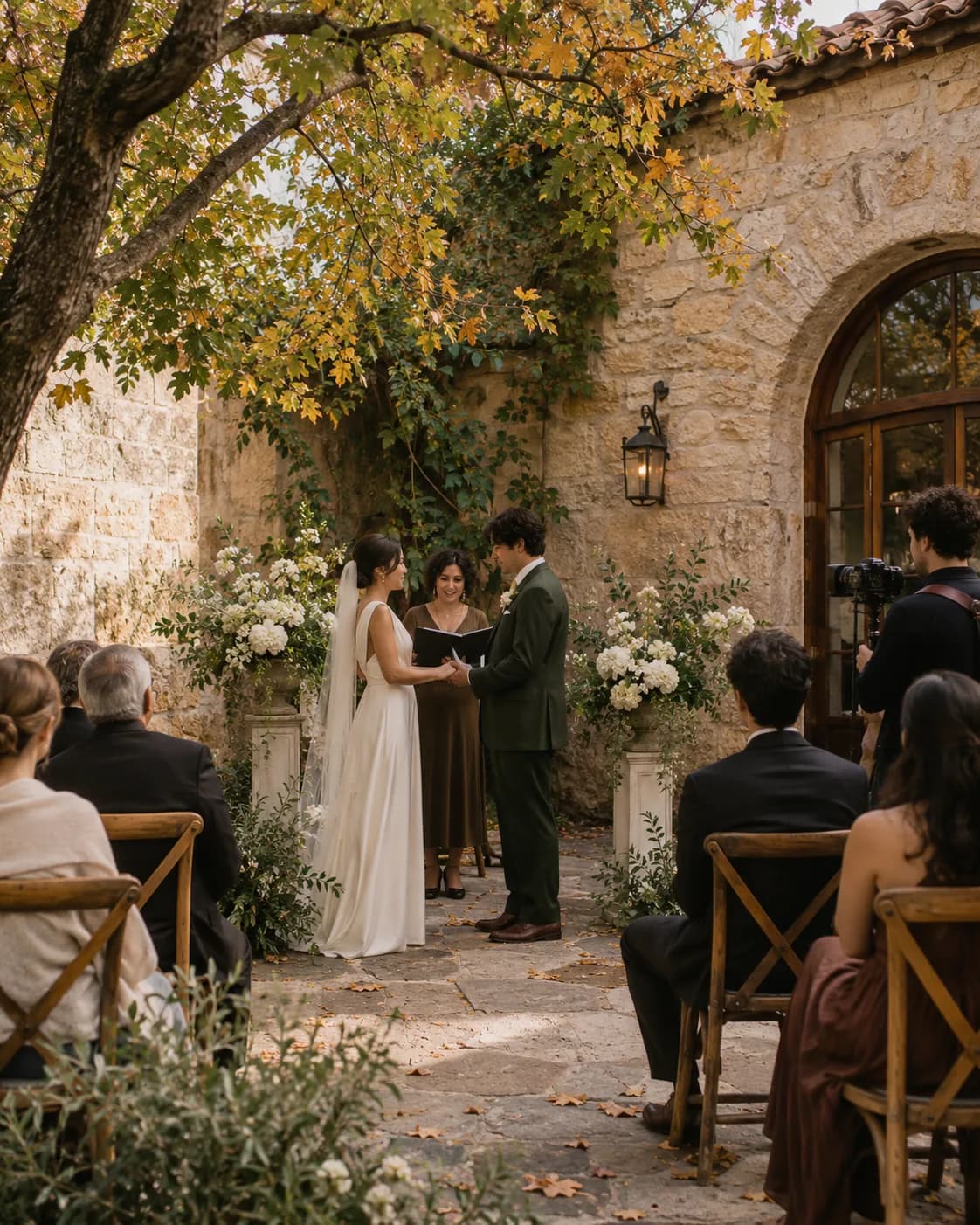
A real wedding, just small. Think 10 to 30 guests, a restaurant or a backyard, a two to four hour window. These couples often still want the moments that matter in a big wedding: the ceremony, family photos, a toast, a first dance. They don't need a full day.
Build a short-coverage package with a clear deliverable. For video, that might be a shorter film plus the ceremony. For photo, a gallery sized to the day. The point is a product designed for this wedding, not a big package with hours chopped off.
3. Friday and Sunday weddings
These are often full weddings on a different day, so a full-day package can still be the right fit. Two things to decide:
Minimums. You might set a lower hour minimum on Fridays and Sundays than on Saturdays, so a smaller wedding can book you without paying for hours they won't use.
Holiday weekends. A Sunday before a Monday holiday behaves a lot like a Saturday. Price it like one.
Also watch your own capacity. A Friday wedding followed by a Saturday wedding is a lot of shooting and a lot of backed-up editing. Decide in advance whether you'll take both.
4. Courthouse weddings
Short, simple, and often booked on a weekday with little notice. A tight package works here: arrive before the ceremony, cover it, then 30 to 60 minutes of portraits nearby.
Call the clerk's office before you sell this. Some courthouses limit photography, the number of guests, or how long the ceremony room is yours. Know the rules before you promise anything.
Getting these offers in front of the right couples
An elopement package hidden at the bottom of your pricing PDF won't book anything. A few ways to make these offers visible:
Give each one its own page. A couple searching for a courthouse wedding photographer in your city should land on a page about exactly that, with real examples. One page per offer also gives you a better shot at ranking for those searches.
Show the work. If your portfolio is all ballrooms and 200 guest receptions, a couple planning a 12 person dinner won't picture you there. Shoot a few small weddings, ask for permission to share them, and put them up front on those pages.
Mention it in your inquiry reply. When an inquiry comes in for a Thursday in January, or says the guest list is small, your first reply is the moment to mention the package built for that. Our guide on how to reply to a wedding inquiry covers the rest.
Tell your planners and venues. Restaurants with private rooms, small venues, and planners who do intimate weddings get these inquiries all the time. Let them know you have a package that fits.
Ask the right question on your inquiry form. Date, guest count, and type of celebration tell you in seconds which offer to lead with.
FAQ
Should I discount Friday and Sunday weddings?
A weekday rate can work if demand, margins, and capacity support it. For couples planning shorter weddings, a lower coverage minimum or smaller package may be a better fit than discounting your full-day offer.
What's the difference between an elopement and a micro-wedding package?
An elopement is usually just the couple, maybe a handful of guests, often with more location planning. A micro-wedding is a small wedding with guests, family photos, and some reception moments, just in a shorter window.
Do I need a permit to photograph an elopement in a national park?
Some small activities qualify for an exemption, but all NPS conditions must be met. Photography associated with an already permitted wedding does not require a separate filming permit. Check the ceremony authorization, activity limits, and other rules with the specific park before booking.
When is the wedding off-season?
It depends on where you work, but nationally most weddings happen between May and October, and winter is the slowest stretch.
Can I photograph a courthouse wedding?
Usually, but rules vary by courthouse. Call the clerk's office before you book.
Make small weddings easy to book
A couple booking a two-hour courthouse package expects it to feel simple, not like a big wedding with less in it. Bower gives you an inquiry form you can host or embed on your site, and the contract, invoices, and questionnaire live together on one Project, and couples open everything through private links without making an account. See how Bower works or start a 14-day free trial. No card required.